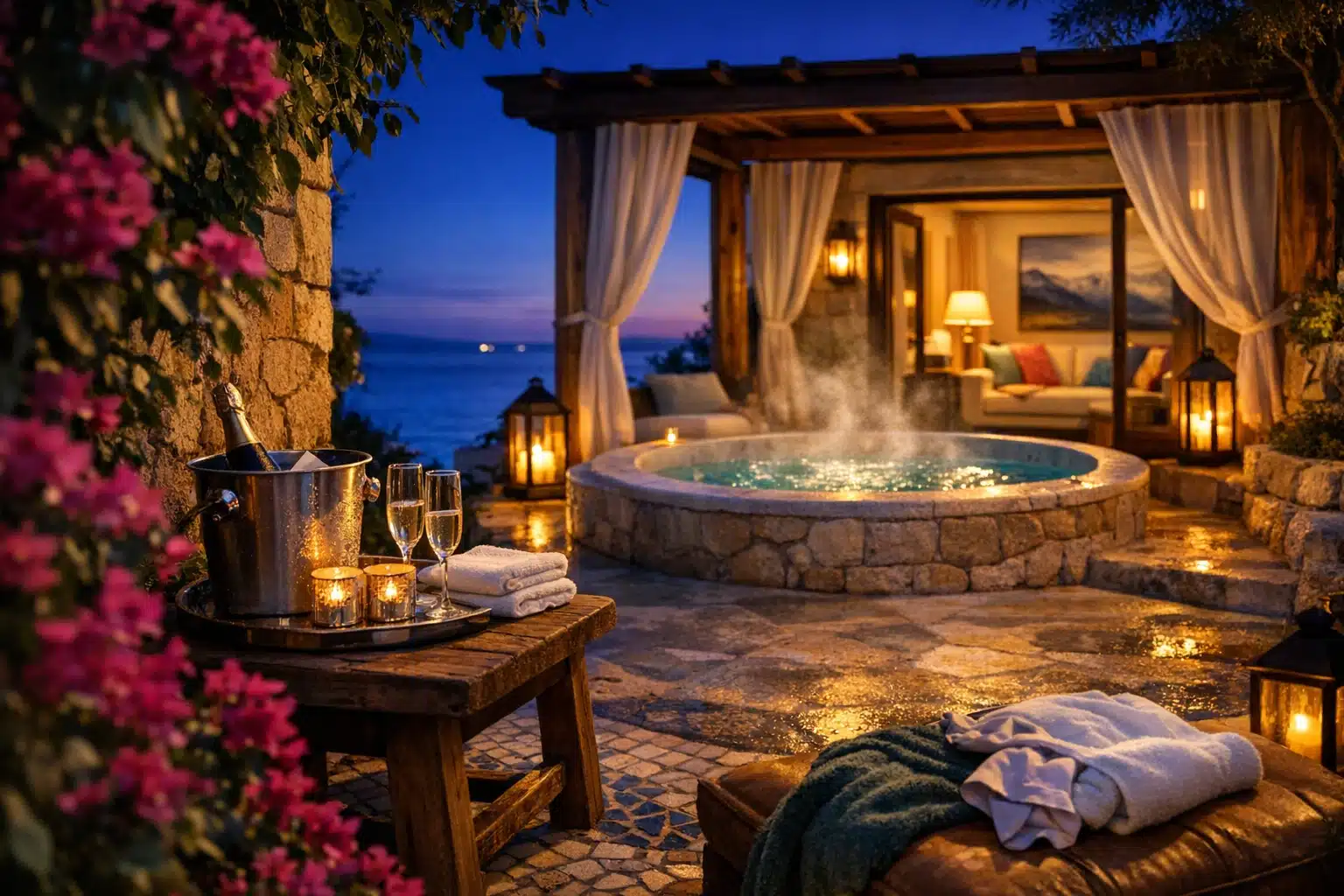
Exploring the Appeal of Jacuzzi Hotel Suites
A romantic getaway is no longer just about reaching a beautiful destination; it is about shaping a mood that lingers long after checkout. Couples increasingly seek places where privacy, comfort, and design work together, and Jacuzzi suites answer that desire with unusual ease. From city hotels to remote resorts, these rooms turn ordinary evenings into shared rituals, making luxury travel feel more personal, memorable, and calm.
Outline: this article explores why romantic getaways still matter in a fast-moving world, how Jacuzzi suites became a notable feature of premium accommodation, what to examine before booking, which surrounding experiences can deepen the trip, and how couples can plan a stay that feels worth both the time and the expense.
1. What Makes a Romantic Getaway Feel Truly Luxurious
Luxury, in the context of a couple’s escape, is often misunderstood. It is not always about gold fixtures, oversized lobbies, or a room rate designed to impress more than it comforts. For many travelers, genuine luxury is the ability to slow down without interruption. A romantic getaway succeeds when it removes friction from the experience and replaces it with ease: a quiet room, an inviting bed, reliable service, a beautiful bath, and a setting that makes conversation feel unhurried again. These details may seem small on paper, yet together they shape the emotional tone of a trip far more than flashy branding does.
There is also a practical side to romance in travel. Couples often book short breaks around anniversaries, birthdays, proposals, honeymoons, or long workweeks that have left little room for connection. In those moments, convenience matters as much as beauty. Direct transport from airport to hotel, flexible check-in, room service that arrives hot and on time, and a suite that feels secluded can turn a two-night stay into something that feels restorative. Even the layout of the room affects the experience. A suite with a defined sitting area, warm lighting, and a bath positioned near a window or view creates a sense of ceremony. By contrast, a large but awkward room can feel surprisingly ordinary.
Thoughtful romantic travel usually includes a few core elements:
– privacy without isolation
– comfort that supports rest
– design that encourages lingering
– service that feels attentive rather than intrusive
– small moments that invite shared memory, such as sunset views, breakfast in bed, or an evening soak
What makes this category especially relevant today is the way travelers now value experiences over objects. A watch or handbag may last for years, but a well-designed trip becomes part of a couple’s shared story. That helps explain why many people are willing to spend more on accommodation when the room itself is part of the occasion. A suite is no longer simply a place to sleep between activities. In premium travel, it has become a private stage for the trip’s most memorable hours. When a hotel understands that distinction, romance stops feeling like a marketing label and starts feeling built into the stay itself.
The Growing Appeal of Jacuzzi Suites in Luxury Travel
Jacuzzi suites have gained attention because they sit at the crossroads of wellness, privacy, and visual appeal. Travelers increasingly want rooms that offer more than a standard bed-and-bath setup, and a private whirlpool answers that demand in a direct, easily understood way. It promises relaxation without needing to reserve a spa treatment, leave the room, or share facilities with other guests. For couples, that convenience carries emotional value. A late-night soak after dinner, a quiet morning with coffee nearby, or a warm bath after a day exploring a city can transform the pace of a trip.
The appeal also reflects larger shifts in luxury hospitality. Hotels have learned that guests now compare not only destinations but also in-room experiences. A standard upscale room may offer excellent linens and polished décor, yet it can still feel similar to dozens of others. Suites with standout features are easier to remember and easier to market. A Jacuzzi, especially when paired with a scenic view, fireplace, balcony, or oversized bathroom, gives the property a more distinctive identity. In many markets, this kind of room commands a meaningful premium over a conventional category because guests do not see it as extra square footage alone; they see it as a more complete experience.
Part of the growing appeal comes from versatility. Different travelers use these suites in different ways:
– honeymooners may treat them as a celebratory indulgence
– long-married couples may use them to make a familiar trip feel fresh
– city-break travelers may want recovery after museums, walking tours, and late dinners
– winter resort guests may enjoy the contrast between cold air outside and warm water indoors
There is also a strong sensory dimension at work. Water changes the atmosphere of a room. It softens noise, encourages stillness, and introduces a ritual into the evening that a regular bathroom rarely does. In design terms, a whirlpool bath can function as a centerpiece, especially when placed near windows, under skylights, or beside carefully planned lighting. The result is part comfort feature, part emotional cue. This does not mean every Jacuzzi suite is automatically impressive; some are dated, cramped, or placed in awkward corners. Yet when done well, they deliver something many luxury travelers now actively seek: a room that feels immersive rather than functional. That combination explains why these suites continue to hold such a strong place in romantic travel planning.
3. How to Choose the Right Jacuzzi Suite Without Guesswork
Booking a Jacuzzi suite can be exciting, but the gap between glossy photos and actual experience can be wider than many travelers expect. The smartest approach is to look beyond the phrase itself and study how the room is designed, located, and serviced. Not all Jacuzzi suites offer the same level of privacy, and not all whirlpool tubs are positioned in ways that feel romantic. Some are placed openly beside the bed, which may suit some couples but not others. Some are built into a large bathroom with better ventilation and more practical storage. Others look attractive in staged images but feel cramped once luggage, robes, and personal items enter the space.
Before booking, it helps to compare the suite through a few useful questions:
– Is the tub large enough for two adults to use comfortably?
– Does the room have enough ventilation so steam does not overwhelm the space?
– Is the view real, partial, or implied by clever camera angles?
– Are the photos recent, and do guest reviews confirm the same experience?
– Does the rate include breakfast, parking, transfers, or late checkout?
– Is the suite quiet, or is it near elevators, bars, pools, or service corridors?
These questions matter because the room is meant to support the occasion, not compete with it. A romantic stay can lose momentum quickly if the bath takes too long to fill, the water temperature is inconsistent, or the setting feels exposed to neighboring balconies. Reviews are especially useful when they mention practical issues. Past guests often reveal whether jets are noisy, whether the suite has enough lighting options, or whether housekeeping keeps spa-style amenities fully stocked. One detailed review describing soundproofing or maintenance can be more valuable than ten vague comments saying the stay was “amazing.”
Destination type should also shape the decision. In an urban hotel, a Jacuzzi suite may be most valuable as a retreat after busy days outside, so location and service speed may matter more than room size. In a mountain lodge or beach resort, couples may spend much more time in the suite itself, making layout, outdoor space, and views more important. Budget is another layer. Paying more makes sense when the room changes the trip in a meaningful way, not simply when it adds a luxury label. Travelers often get the best value by booking during shoulder season, staying one extra weekday instead of only weekend nights, or choosing a boutique property where design quality is high even if the brand is less famous. In short, the right suite is not the one with the loudest marketing. It is the one whose details align with how the couple actually wants to spend time together.
4. Building a Complete Escape Beyond the Suite
A Jacuzzi suite can anchor a romantic trip, but it should not carry the entire experience on its own. The most satisfying luxury getaways combine an exceptional room with a surrounding rhythm that feels balanced and intentional. One of the quiet paradoxes of travel is that an overscheduled itinerary can make even an expensive stay feel hurried. Couples often remember the trip more fondly when the calendar includes open space alongside a few meaningful plans. That could mean a reservation at one special restaurant instead of three packed evenings, or a scenic drive with no agenda beyond reaching a viewpoint before sunset.
Different destinations shape romance in different ways. A coastal resort offers a natural soundtrack, long walks, and the option to return to the suite with sea air still in your clothes. A mountain lodge creates coziness, especially when the bath follows a day of skiing, hiking, or simply watching weather move across the landscape. A vineyard stay introduces slow lunches, tastings, and countryside views, while a city hotel can turn culture into foreplay for conversation through galleries, music venues, and intimate dining. The room matters, but the area around it gives the story texture.
When planning the full experience, many couples benefit from a light framework:
– one anchor activity each day
– one memorable meal worth dressing up for
– one slow block of unplanned time
– simple transitions, with minimal commuting or packing
– one indulgence chosen on purpose, such as a spa treatment, private driver, or in-room breakfast
Service style also deserves attention. In luxury travel, romance is often protected by smooth logistics. Fast luggage handling, discreet housekeeping, knowledgeable concierge support, and dining staff who understand pacing all contribute more than travelers realize. A well-timed late checkout can matter as much as a beautiful lobby. So can a hotel that offers thoughtful extras such as chilled sparkling water, bath salts, or turndown service without turning the stay into a performance. For couples seeking closeness, the best properties do not overwhelm the room with gimmicks. Instead, they create conditions where relaxation happens naturally. When the suite, destination, and daily pace work together, the getaway gains a kind of quiet elegance. That is where luxury stops being decoration and becomes an experience with emotional depth.
5. Conclusion for Couples Planning a Romantic Escape
For couples considering a romantic getaway, Jacuzzi suites make sense not because they are trendy, but because they answer a real travel desire: the wish for privacy, ease, and a little ceremony built into the stay. They turn downtime into a feature instead of an afterthought. That matters for partners who are celebrating something important, reconnecting after a busy season, or simply choosing to spend money on shared time rather than more possessions. A good suite gives the trip a center of gravity. It invites people to linger, talk longer, and experience the destination at a more human pace.
The best approach is to plan with intention rather than impulse. Couples should think about what kind of trip they actually want. Is the goal pure rest, a dramatic setting, a food-focused weekend, or a city break with comfort waiting at the end of each day? Once that is clear, the right hotel becomes easier to identify. A practical booking checklist can help:
– confirm room layout and tub size
– read recent guest feedback for maintenance and noise
– compare what is included in the rate
– prioritize location if the trip involves sightseeing
– prioritize privacy and views if the room is the main event
– consider shoulder-season dates for better value and calmer surroundings
Romantic luxury works best when it feels personal, not theatrical. A suite does not need to be the largest in the region to be memorable. It needs to fit the couple using it. Some travelers will prefer a sleek urban hideaway with skyline views; others will want a countryside retreat where the only agenda is breakfast, a walk, and an evening soak. Both can be deeply satisfying if the design, service, and pace align. For readers planning their next escape, the key takeaway is simple: choose a place that makes staying in feel as rewarding as going out. When that happens, the trip gains warmth, meaning, and the kind of memory that keeps calling you back long after the bags are unpacked.